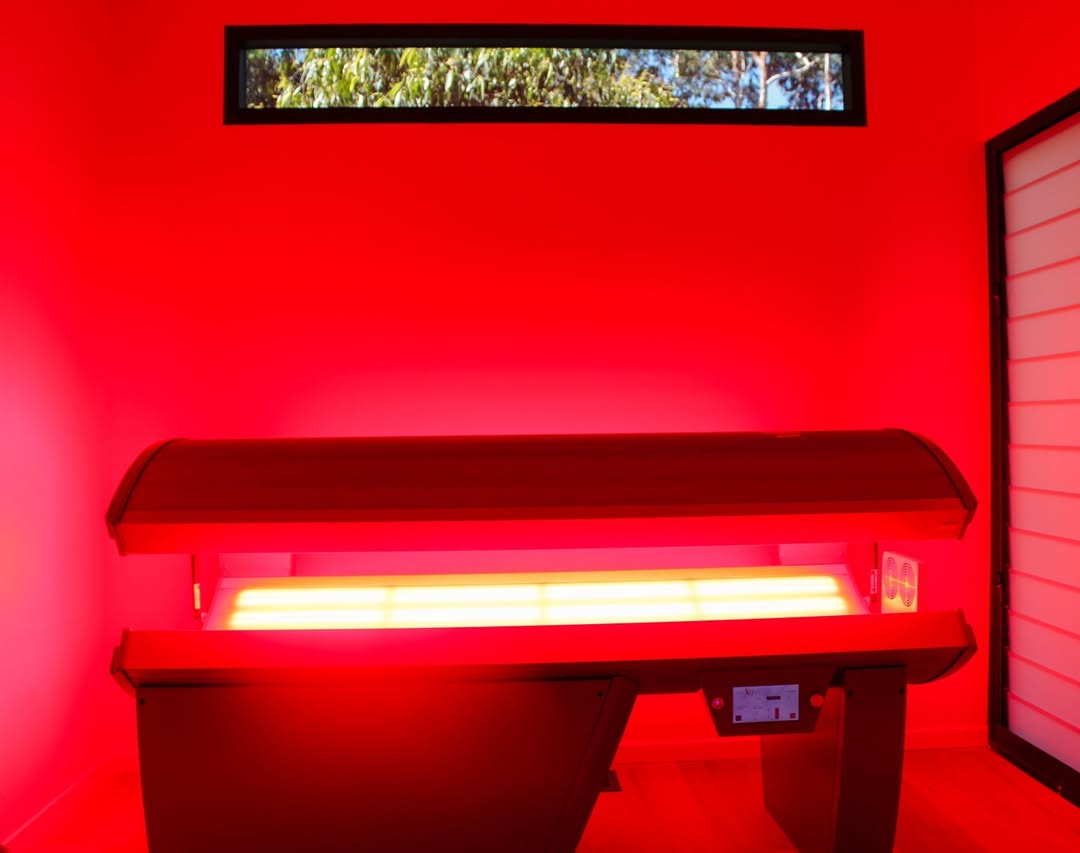
Red light therapy is a form of treatment that uses low-level red light wavelengths to promote healing and overall wellness in the body. This type of therapy has gained popularity in recent years for its various health benefits, including reducing inflammation, improving skin tone, and enhancing muscle recovery.
But what exactly is the science behind red light therapy? How does shining red light on the skin actually lead to these positive effects? In this article, we will dive into the scientific principles behind red light therapy and explore how it works to improve our health and well-being.
How Does Red Light Therapy Work?
Red light therapy works by stimulating the mitochondria in our cells, which are responsible for producing energy. When the skin is exposed to red light wavelengths, it triggers a series of reactions that lead to increased cellular energy production. This boost in energy helps cells function more efficiently, resulting in improved healing, reduced inflammation, and enhanced overall well-being. Additionally, red light therapy has been shown to increase blood flow and collagen production in the skin, leading to improvements in skin tone and texture.
Or,
The Science Behind Red Light Therapy
To understand the science behind red light therapy, we need to look at how light interacts with our bodies at a cellular level. When red light is absorbed by the skin, it penetrates deep into the tissue and is absorbed by the mitochondria. Once inside the mitochondria, red light stimulates the production of adenosine triphosphate (ATP), which is the energy currency of our cells. This increase in ATP production helps to regulate various cellular processes, leading to reduced inflammation, improved tissue repair, and enhanced muscle recovery. If you want to dive deeper into the scientific principles behind red light therapy, check out What Is The Science Behind Red Light Therapy.
In conclusion, the science behind red light therapy is based on the principle of improving cellular energy production through the stimulation of mitochondria in our cells. By increasing ATP production, red light therapy helps to enhance healing, reduce inflammation, and promote overall well-being. This type of therapy has shown promising results in various health benefits, making it a popular choice for those seeking alternative and non-invasive treatment options. As research continues to explore the potential of red light therapy, its positive effects on skin health, muscle recovery, and overall wellness are becoming more widely recognized in the medical community.
Leave a Reply