Gold is a precious metal that has captured human fascination for thousands of years. Its shimmering allure and scarcity have made it a symbol of wealth and power throughout history. In recent times, the price of gold has become a topic of great interest and speculation. Investors and economists closely monitor its fluctuations, as it often serves as an indicator of economic stability or uncertainty. Understanding the factors that influence the price of gold can provide valuable insights into the global economy and guide investment decisions.
Gold prices are determined by various factors, including supply and demand dynamics, inflation rates, interest rates, geopolitical tensions, and currency movements. As a safe-haven asset, gold tends to appreciate during times of economic uncertainty or political turmoil, as investors seek to preserve their wealth. Conversely, when the economy is performing well and there is optimism in financial markets, the demand for gold may decrease, causing its price to dip. Additionally, changes in interest rates can have a significant impact on gold prices. When interest rates rise, investors may shift their focus to other investments that offer higher returns, leading to a decrease in demand for gold.
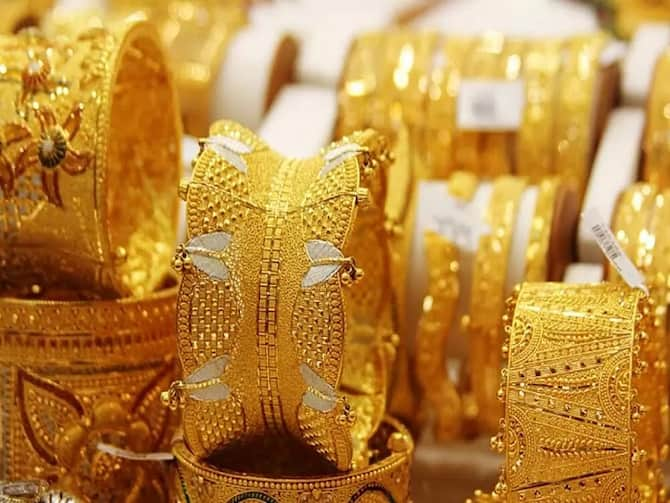
Supply and Demand Dynamics
The price of gold is heavily influenced by supply and demand dynamics. The total supply of gold is relatively fixed, as the mining industry produces a consistent amount each year. However, the demand for gold can vary significantly, leading to fluctuations in its price. When the demand for gold exceeds the available supply, the price typically rises. This can occur during periods of economic uncertainty or geopolitical tensions, as investors seek out the perceived safety of gold as a store of value. On the other hand, when the demand for gold decreases, such as during times of economic growth and stable financial markets, the price may decline.
Inflation Rates and Interest Rates
Inflation rates and interest rates also play a crucial role in determining the price of gold. Inflation erodes the purchasing power of currency and makes gold more attractive as a hedge against inflation. When inflation rates are high, investors often flock to gold as a way to protect their wealth from losing value. Similarly, changes in interest rates can impact the price of gold. Lower interest rates tend to make gold more appealing, as it offers an alternative investment with less opportunity cost compared to other assets that generate income. Conversely, higher interest rates may result in reduced demand for gold, as investors seek investments that offer higher returns. It is important for investors to consider these factors when analyzing potential opportunities within the price of gold.
Overall, the price of gold is influenced by a combination of complex factors, including supply and demand dynamics, inflation rates, interest rates, geopolitical tensions, and currency movements. Understanding these factors can provide valuable insights into the global economy and guide investment decisions. Investors and economists closely monitor gold prices as it often serves as an indicator of economic stability or uncertainty. As a safe-haven asset, gold tends to appreciate during times of economic uncertainty or political turmoil, as investors seek to preserve their wealth. Conversely, when the economy is performing well and there is optimism in financial markets, the demand for gold may decrease, causing its price to dip. Additionally, changes in interest rates can have a significant impact on gold prices. When interest rates rise, investors may shift their focus to other investments that offer higher returns, leading to a decrease in demand for gold. Ultimately, understanding the various factors that influence the price of gold can help investors make informed decisions and navigate the intricacies of the global economy.
Leave a Reply