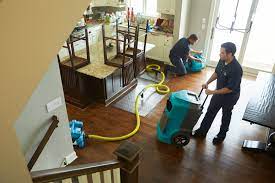
Water damage is a pervasive and potentially destructive force that can compromise the integrity of structures and pose risks to occupants. Developing a comprehensive emergency preparedness plan for water damage is essential for minimizing the impact of incidents and ensuring a swift and effective response. This article outlines key strategies for both prevention and response to water damage emergencies. You can visit the source for more details about the preparation
Prevention Strategies:
- Regular Inspections:
- Conduct routine inspections of roofs, plumbing systems, and building exteriors to identify and address potential vulnerabilities before they escalate.
- Gutter and Downspout Maintenance:
- Ensure that gutters and downspouts are free of debris and properly channel water away from the building’s foundation to prevent water accumulation and infiltration.
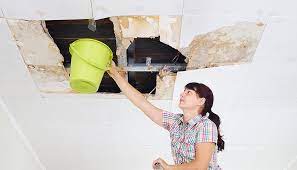
- Proactive Plumbing Maintenance:
- Regularly inspect and maintain plumbing systems, addressing leaks and addressing issues promptly to prevent water damage.
- Landscaping and Grading:
- Implement proper landscaping and grading around the building to encourage water drainage away from foundations. Avoid planting trees with invasive root systems near water lines.
- Water-Resistant Building Materials:
- Utilize water-resistant coatings and materials in construction to create a protective barrier against water intrusion.
- Smart Building Technologies:
- Implement smart sensors and monitoring systems that can detect leaks and changes in humidity levels, providing early warnings for potential water damage.
Response Strategies:
- Emergency Contact List:
- Maintain an updated emergency contact list that includes local emergency services, water damage restoration professionals, and key personnel within the organization.
- Swift Action:
- Respond promptly to water damage incidents. Quick action can significantly reduce the extent of damage and prevent secondary issues such as mold growth.
- Evacuation Plan:
- Establish clear evacuation routes and procedures for occupants in the event of severe water damage, ensuring their safety is the top priority.
- Shut off Utilities:
- Train personnel on how to quickly shut off water and electricity in the event of water damage to prevent further hazards.
- Documentation:
- Document the extent of the water damage through photographs and written descriptions. This documentation can be crucial for insurance claims and restoration efforts.
- Professional Restoration Services:
- Establish partnerships with reputable water damage restoration services. Having professionals on call ensures a rapid and effective response to mitigate the damage.
- Mold Prevention:
- Initiate mold prevention measures, such as drying affected areas promptly and using dehumidifiers to reduce moisture levels, to prevent the growth of mold.
- Communication Plan:
- Implement a communication plan that includes notifying all stakeholders, including occupants, about the water damage incident, evacuation procedures, and ongoing mitigation efforts.
Training and Drills:
Conduct regular training sessions and emergency drills to ensure that all personnel are familiar with emergency procedures and response protocols. This includes simulating various water damage scenarios to test the effectiveness of the emergency preparedness plan.
A robust emergency preparedness plan for water damage is an integral part of safeguarding both the structural integrity of buildings and the well-being of occupants. By combining proactive prevention strategies with well-defined response protocols and ongoing training, organizations can effectively mitigate the impact of water damage emergencies and ensure a swift and coordinated response when incidents occur.
Leave a Reply