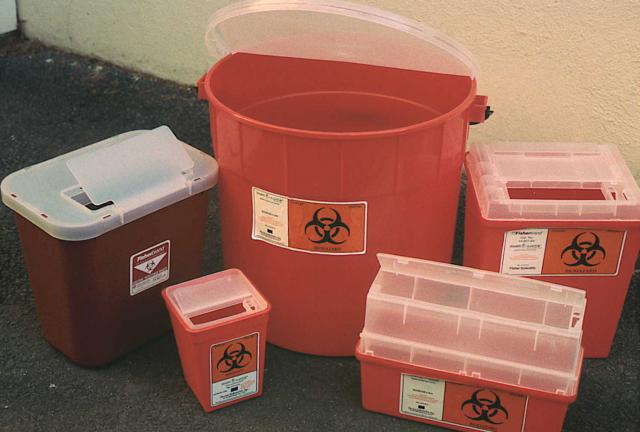
Medical waste management is a crucial aspect of healthcare facilities that ensures the safe and proper handling of various types of waste generated through medical activities. With the advancement of medical technology and the increasing number of healthcare facilities, the production of medical waste has become a pressing concern, requiring efficient management strategies to protect human health and the environment. Proper medical waste management involves a comprehensive approach that includes waste segregation, storage, transportation, treatment, and final disposal methods that align with environmental regulations and safety guidelines.
The significance of effective medical waste management cannot be overstated as improper handling and disposal of medical waste can pose serious risks to public health and the environment. Medical waste comprises potentially hazardous materials such as infectious substances, pharmaceuticals, chemicals, radioactive materials, sharps, and other healthcare-related items. When these wastes are not adequately managed, they can contaminate water sources, air, soil, and expose individuals to life-threatening diseases or injuries. Therefore, healthcare facilities must implement robust waste management protocols that minimize the generation of medical waste, encourage recycling and reuse wherever possible, ensure safe disposal methods, and educate staff on appropriate handling procedures.
Proper Segregation and Storage of Medical Waste
A crucial component of effective medical waste management is the proper segregation and storage of waste materials. Healthcare facilities must implement a system for segregating different types of waste to prevent cross-contamination and ensure safe handling. This involves separating infectious waste, such as used needles and soiled dressings, from non-infectious waste, like paper and plastic materials. Adequate labeling and color-coding of waste containers play a crucial role in facilitating proper segregation. Additionally, healthcare facilities need to provide secure and appropriate storage facilities that comply with safety guidelines and regulations.
Implementing efficient waste management practices not only ensures the health and safety of healthcare workers but also protects the community and the environment. To achieve this, healthcare facilities can collaborate with reputable medical waste disposal companies like Medical waste disposal Charlotte. These companies offer specialized services in collecting, treating, and disposing of medical waste in compliance with local regulations. By partnering with such companies, healthcare facilities can ensure that their waste management strategies align with industry best practices, minimizing the risks associated with improper medical waste handling and disposal.
In conclusion, proper medical waste management is essential in healthcare facilities to protect human health and the environment. The safe handling and disposal of medical waste are crucial to prevent contamination of water, air, and soil, as well as minimize the risk of life-threatening diseases or injuries. Effective waste management includes comprehensive strategies such as waste segregation, storage, transportation, treatment, and final disposal methods that adhere to environmental regulations and safety guidelines. Healthcare facilities must prioritize proper waste segregation and storage, ensuring the separation of infectious and non-infectious waste materials with appropriate labeling and color-coding. Additionally, collaborating with reputable medical waste disposal companies ensures that waste management practices align with industry best practices, further reducing the potential risks associated with inadequate medical waste handling and disposal.
Leave a Reply