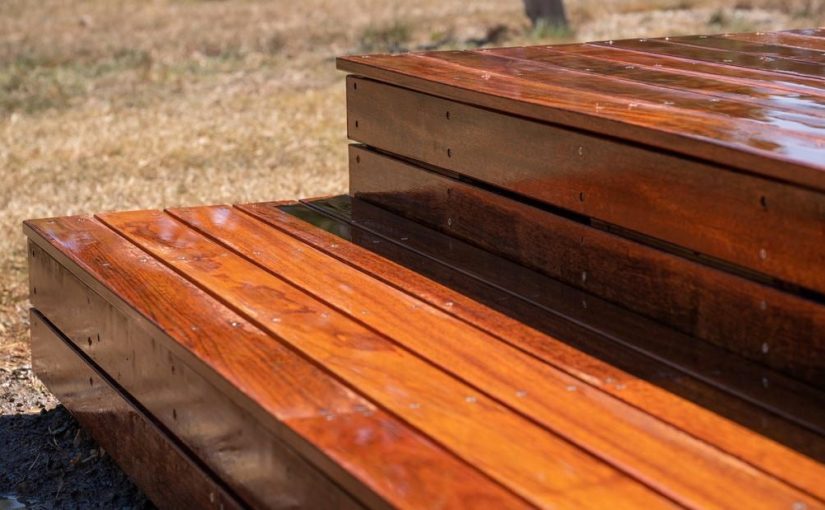
Deck waterproofing is an essential process for ensuring the longevity and durability of your outdoor deck. Whether you have a wooden deck, concrete patio, or composite material, protecting it from water damage is crucial in maintaining its appearance and structural integrity. By applying a waterproofing sealant, you can prevent water from seeping into the deck surface, which can lead to rotting, mold growth, and structural issues over time.
There are various methods and products available for deck waterproofing, each offering different levels of protection and longevity. From traditional sealants to advanced membrane systems, choosing the right waterproofing solution for your deck will depend on factors such as the material of your deck, climate conditions, and desired level of maintenance. In this article, we will explore the different options available for deck waterproofing and provide tips on how to properly waterproof your deck to ensure its long-term durability.
Types of Waterproofing Methods
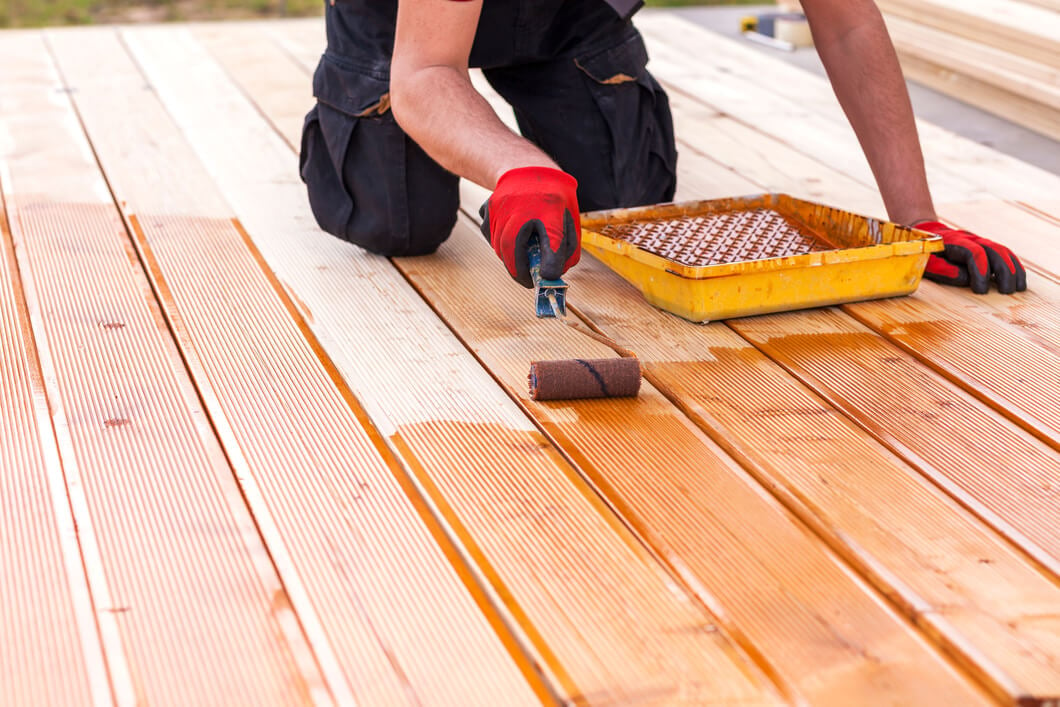
When it comes to protecting your deck from water damage, there are several types of waterproofing methods to consider. One common approach is to use a water-resistant sealant that can be applied to the surface of the deck. This sealant forms a protective barrier that prevents water from penetrating into the wood or other materials, helping to extend the lifespan of the deck. Another popular method is to use a waterproofing membrane system, which involves installing a waterproof membrane over the entire surface of the deck. This membrane acts as a second skin, providing an additional layer of protection against moisture infiltration. For those looking for professional help with deck waterproofing, companies like deck waterproofing san diego offer expert services to ensure your deck is properly waterproofed and well-maintained.
Tips for Proper Deck Waterproofing
Properly waterproofing your deck is essential for maximizing its lifespan and preventing costly repairs down the road. To ensure effective waterproofing, it’s important to thoroughly clean and prepare the deck surface before applying any sealants or membranes. This includes removing any dirt, debris, or mildew that may be present, as well as repairing any cracks or damage to the deck. Choosing the right waterproofing product for your specific deck material and climate conditions is also crucial in achieving long-lasting protection. By following these tips and techniques, you can help safeguard your deck against water damage and preserve its appearance for years to come.
In conclusion, deck waterproofing is a vital step in maintaining the longevity and appearance of your outdoor deck. Whether you opt for a water-resistant sealant or a waterproofing membrane system, ensuring that your deck is properly protected from water damage is key to avoiding issues such as rotting, mold growth, and structural damage. By following the proper cleaning and preparation steps, as well as selecting the right waterproofing product for your specific deck material and climate conditions, you can help to safeguard your deck against moisture infiltration and preserve its beauty for years to come. Remember, investing in deck waterproofing now can save you time and money on costly repairs in the future.