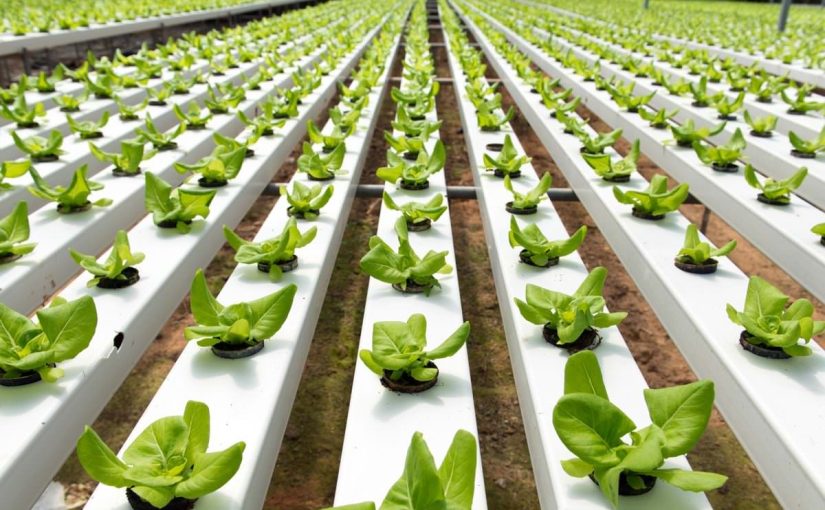
Smart farming, powered by cutting-edge technologies, has revolutionized agriculture by enhancing efficiency, sustainability, and crop yields. When applied to hydroponics, these innovations take precision cultivation to the next level. In this guide, we’ll delve into the world of hydroponic smart farming, exploring its benefits, key technologies, and how it’s shaping the future of agriculture. For more information regarding hydroponic plant one can visit our site https://hydroponicglobal.com.au/.
Understanding Hydroponic Smart Farming:
Hydroponic smart farming combines hydroponic cultivation methods with advanced technologies to monitor, control, and optimize every aspect of the growing process. It leverages data, automation, and connectivity to maximize resource efficiency, crop quality, and yields.
Benefits of Hydroponic Smart Farming:
1. Resource Efficiency: Smart systems precisely control water and nutrient delivery, reducing waste and conserving resources.
2. Yield Optimization: Data-driven insights enable growers to optimize conditions for plant growth, resulting in higher yields.
3. Reduced Labor: Automation and remote monitoring reduce the need for manual labor, lowering production costs.
4. Quality Control: Sensors and analytics maintain consistent environmental conditions, enhancing crop quality.
5. Sustainability: Smart farming reduces the environmental impact of agriculture by minimizing resource use and waste.
Key Technologies in Hydroponic Smart Farming:
1. IoT Sensors:
– Sensors monitor environmental variables like temperature, humidity, light levels, and nutrient concentrations in real-time.
2. Automation Systems:
– Automated controls adjust lighting, nutrient delivery, and climate conditions based on sensor data and predefined parameters.
3. Data Analytics:
– Machine learning algorithms analyze sensor data to make data-driven decisions for optimal crop growth.
4. Remote Monitoring:
– Growers can monitor and control hydroponic systems remotely through web-based platforms or mobile apps.
5. Precision Nutrient Management:
– Nutrient dosing systems precisely deliver nutrients based on plant needs, reducing waste and runoff.
6. Energy-Efficient Lighting:
– LED grow lights provide customized lighting spectrums for different growth stages, optimizing energy use.
7. AI and Robotics:
– AI-driven robots can perform tasks like planting, pruning, and harvesting with precision.
Implementing Hydroponic Smart Farming:
1. Assessment:
– Start with a thorough assessment of your hydroponic operation’s needs and goals.
2. Infrastructure Upgrades:
– Install IoT sensors, automation systems, and energy-efficient lighting where needed.
3. Data Integration:
– Connect sensors and systems to a central database for data analysis and decision-making.
4. Monitoring and Control:
– Use remote monitoring tools to keep track of conditions and make adjustments as necessary.
5. Training:
– Ensure that staff are trained in using smart farming technologies effectively.
6. Data Analysis:
– Regularly analyze data to fine-tune growing conditions and optimize resource use.
7. Adaptation:
– Be prepared to adapt and upgrade your system as new technologies emerge.
Challenges and Considerations:
– Initial setup costs can be high, but long-term savings and benefits often justify the investment.
– Data security and privacy must be carefully managed, especially in connected systems.
– Growers should stay informed about the latest smart farming technologies and best practices.
Conclusion:
Hydroponic smart farming represents the future of agriculture by combining the precision of hydroponics with the power of data and automation. By harnessing the potential of IoT, automation, and data analytics, hydroponic growers can maximize resource efficiency, crop quality, and yields while minimizing environmental impact, labor, and costs. This synergy of technology and agriculture promises to revolutionize the way we cultivate food, ensuring a sustainable and prosperous future.
Leave a Reply